Countback Guidelines
These guidelines outline how to separate tied teams or players in competitive events. They align with Squash New Zealand Poipātū Aotearoa national event regulations and World Squash Federation best practices.
Note: For club or district events, processes may differ. Always confirm the method with the event organiser.
Teams Events
In the event of two or more teams finishing equal at the end of round‑robin pool play, the winner is determined as follows:
- Greater number of ties won
- If two teams remain equal → result of the match between those two teams
- If three or more teams are equal → greater number of matches won in ties between those teams
- If two still equal → result between those two teams
- If three or more still equal → greater positive game differential (games won minus games lost)
- If two still equal → result between those two teams
- If three or more still equal → greater positive points differential (points won minus points lost)
- If two still equal → result between those two teams
- If still not separated → drawing of lots
Team Events – Four‑Player Teams
During competition:
The team winning the most matches in a contest wins the tie.
If each team wins two matches each, the tie is decided by:
- Highest positive game differential
- If still equal → highest positive points differential
- If still equal → drawing of lots
Finals Play‑off:
If two teams finish equal:
- Highest positive game differential
- If still equal → highest positive points differential
- If still equal → teams are declared joint winners
Individual Events
For two or more players finishing equal at the end of round‑robin play:
- Greater number of matches won
- If two players remain equal → result between those players
- If three or more are equal → greater positive game differential
- If two still equal → result between those players
- If three or more still equal → greater positive points differential
- If two still equal → result between those players
- If still tied → drawing of lots
This page contains a summary of the various policies relating to the correct use of the MySquash platform for clubs. These are also available in full on the Policies page of the Squash NZ website.

MySquash Competitions can now be used to run Racketball (Squash57) competitions or record casual Racketball match results. Individual Competitions, Team Competitions, Box Leagues and Ladders now have a ' Sport ' setting, allowing users to select 'Racketball'. Matches with this setting will automatically be excluded from SquashLevels. Development is currently underway to send these matches to the new Squash57Levels system, which will give Racketball players a local, national and international ranking . Any matches recorded prior to the feed going live will be retrospectively processed. As with SquashLevels, the more matches that are recorded, the more accurate the Levels for all Racketball players will be. All other steps to set up a Racketball competition are the same as for Squash, and can be found on the following pages, Individual Competitions for Club Admins Team Competitions for Club Admins Creating and Managing a Box League Creating and Managing a Ladder One-off Racketball matches can be recorded in the Casual Results page. These will also feed through to Squash57Levels.

This guide explains how club administrators can add interclub teams in MySquash. Before You Start You must have Club Admin access to manage teams. If you cannot see the Team Competitions menu, you likely do not have the required access. Please contact your District Administrator to request Club Admin permissions. Step 1: Access the Competition Log in to MySquash . Go to Team Competitions . Click on the competition you want to add teams to. Select the Teams tab. Step 2: Add a Team Click Add Team . Select the Division Type (usually Men’s, Women’s, or Masters). Select your Club (only your club should be available). Leave Division No. blank. Enter the Team Name . Click Save . Step 3: Add Players to the Team Click Add Player . Start typing the player’s name. When the player appears in the list, click their name to select them. Set the player type to Regular . Click Save Player . Repeat these steps until all players have been added. Step 4: Assign the Team Captain Use the Team Captain dropdown to select the captain from the added players. Click Save to finish.
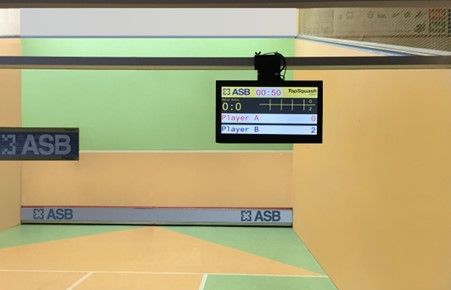
There are no changes to the scoring rules and recommendations for 2026. Districts will set the scoring rules for local interclub competitions, while clubs set the scoring rules for their competitions and tournaments. The rules for national events and recommendations for all other events are as follows; Scoring All junior events will be played using PAR (point a rally) 11. Where a junior competes in a senior event the below ruling based on grading will take effect. We recommend using PAR (point a rally) to 11 scoring for higher graded players (roughly B1 and above), and to 15 for players graded roughly B2 and below. At national events, PAR to 11 scoring is used for; B Grade Superchamps, B Grade National Graded Champs, Cousins Shield / Mitchell Cup, NZ Masters Age Group Championships, NZ Masters Club Team Championships (top division only), All junior age group events, and the top divisions of open events. PAR to 15 scoring is used in grades C-F / J in Superchamps and the National Graded Champs, all divisions except Div 1 of the NZ Masters Club Team Championships, and where appropriate (using the guidelines above) for lower divisions of open events. The scoring system used should be the same for every player in a tournament grade / division.

The MySquash Tournament Dashboard provides a real-time visual display of Upcoming Matches , Active Matches , and Completed Matches - eliminating the need for manual whiteboards or spreadsheets. To use it, you will need a PC connected to an external screen such as a TV or projector. Prerequisites To display matches on the dashboard, all matches must be scheduled using the Calendar function within MySquash.
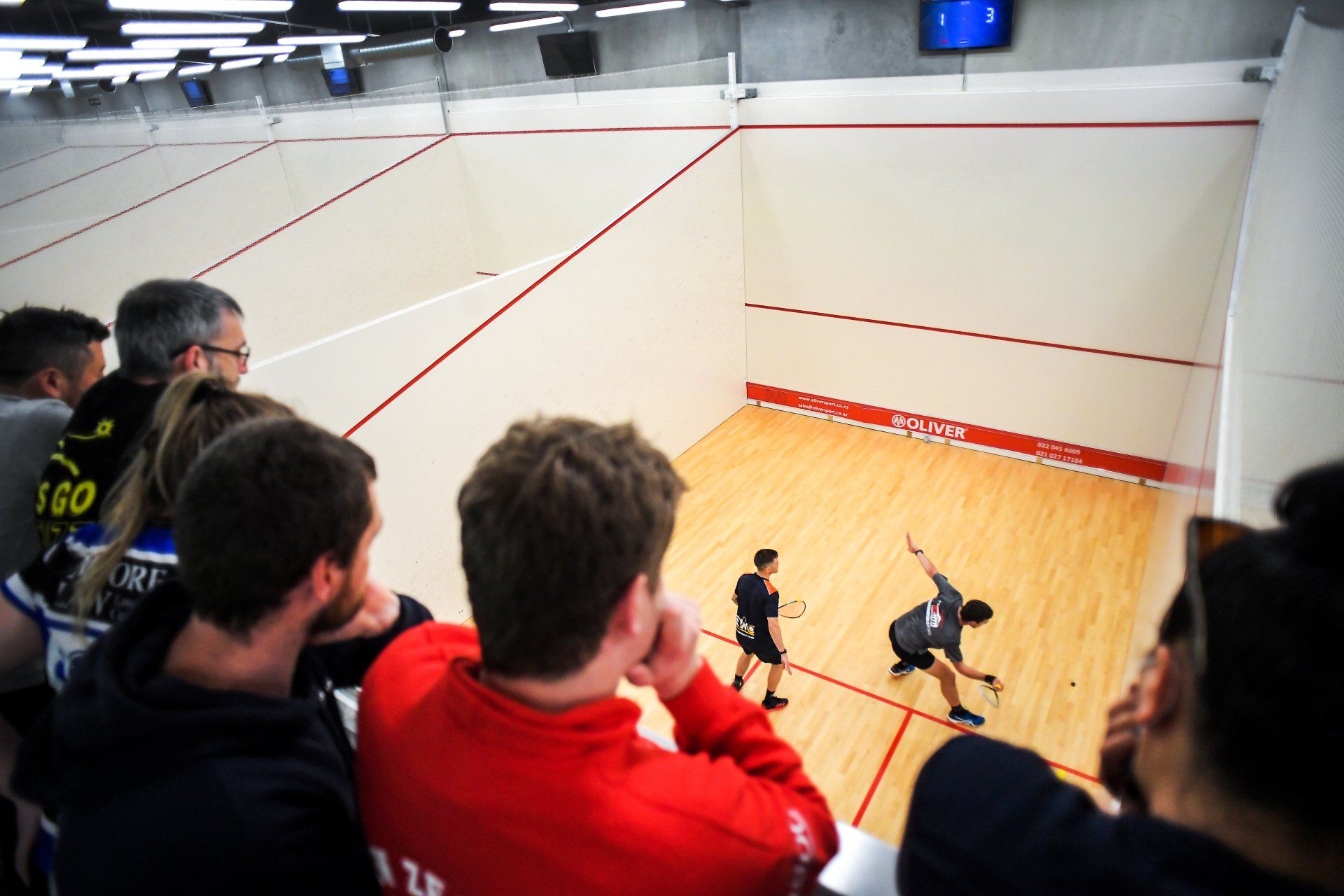

This guide explains how to use the Grading List filters in MySquash to generate age‑group reports, export data, and organise the information for easy sorting and analysis. Please note that only district administrators and statisticians will be able to export the grading list.
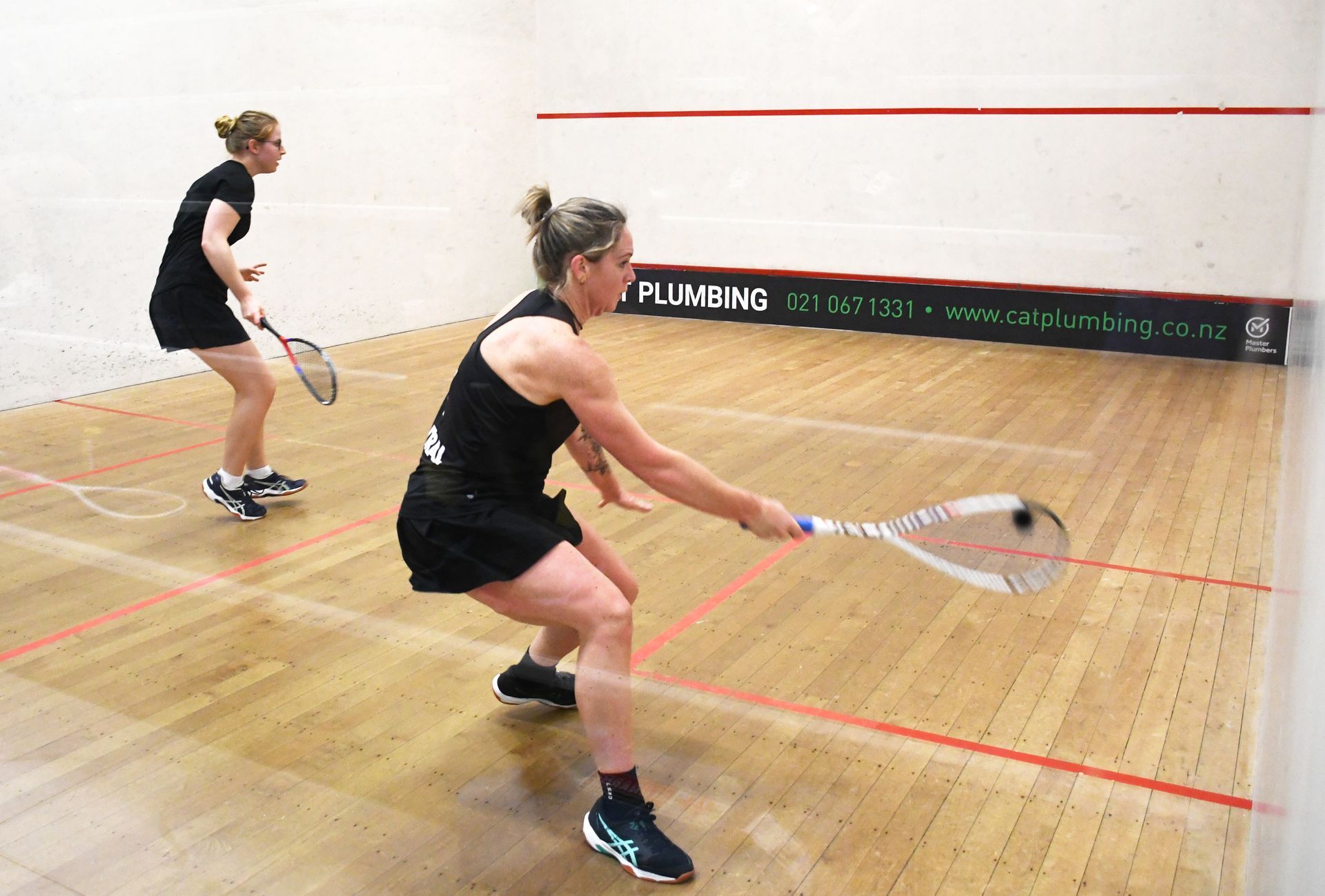
This guide explains how players can access their Box League, arrange matches with opponents, and enter their match results. It also covers how non‑players can view current and previous rounds.